Cheesequake
Leak Detection in Cheesequake
Leak Detection in Cheesequake from an estimated $150. Whether the water is your supply, your drains or the ground, and where it gets out: an estimated $150 to $400 to find.
- A free quote, with any repair priced separately
- A master plumber license you can look up online
- An estimated range on the call, before any visit
What the first visit settles
- Supply, drain or groundwater
- Meter pit or basement meter
- The source, marked in place
Estimated range$150‑450
Local crew
Cheesequake work, taken by the people who do it
Local knowledge
OBMUA's boosted section by the state park
Leaks, scoped before priced
The finding written down, not a summary
NJ licensed master plumber
License number on every written quote
Cheesequake
Leak Detection in Cheesequake: what actually fails
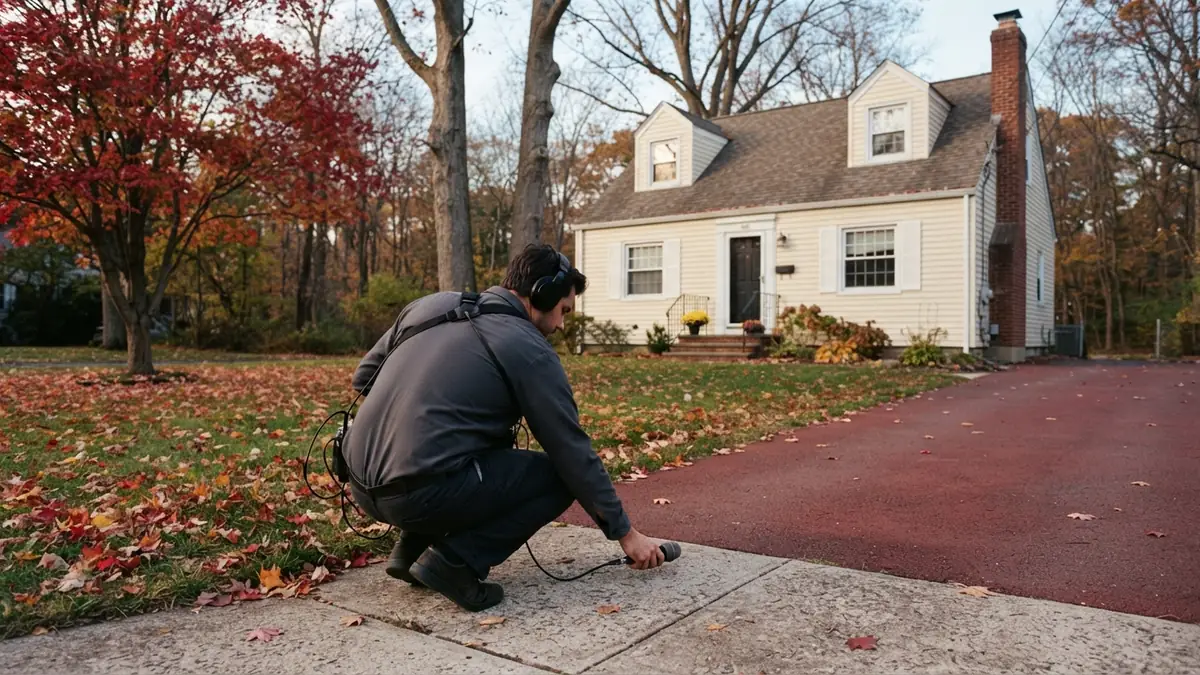
Cheesequake is fed through OBMUA's Cheesequake Booster Station, with pressure reducing valves set in 1986 to keep the pressure steady, so leak detection in Cheesequake can begin with a gauge on an outside faucet before anyone arrives. On the wooded single-family lots near the state park, the run from the curb is traced under the trees with a pressure test and a ground microphone, and tracer gas where the listening is poor. Addresses here carry Matawan or South Amboy ZIPs, so when you call, the street name tells us more than the ZIP does.
Most of the work is elimination. A house here has three sources of unwanted water: the pressurized supply that comes through the OBMUA meter, the drains that carry it away, and the ground outside the foundation. Each is tested on its own, and the search starts once two of them are cleared.
- Static pressure read at an outside faucet
- Association called before a shared wall opens
- Wooded-lot service line traced under the trees
- Unit-to-unit stains traced to the right side
Boosted pressure, wooded lots, shared walls.
What happens
What happens during Leak Detection in Cheesequake
Only the last one involves us; the first can be done tonight in ten minutes.
- 1
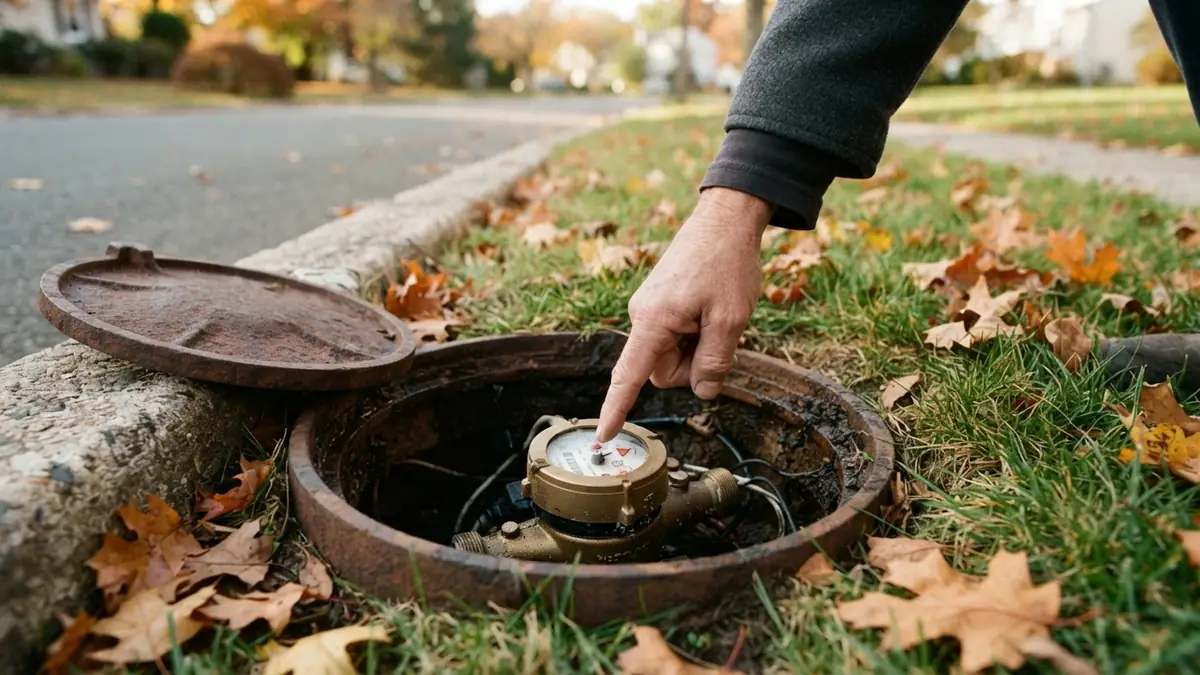
Watch the meter with the house quiet
Close every faucet, check that the toilets, ice maker and softener are not filling, and watch the low-flow indicator for a minute. Look again an hour later. Any movement means supply water is going somewhere it should not.
- 2
Set the water against the weather
- 3
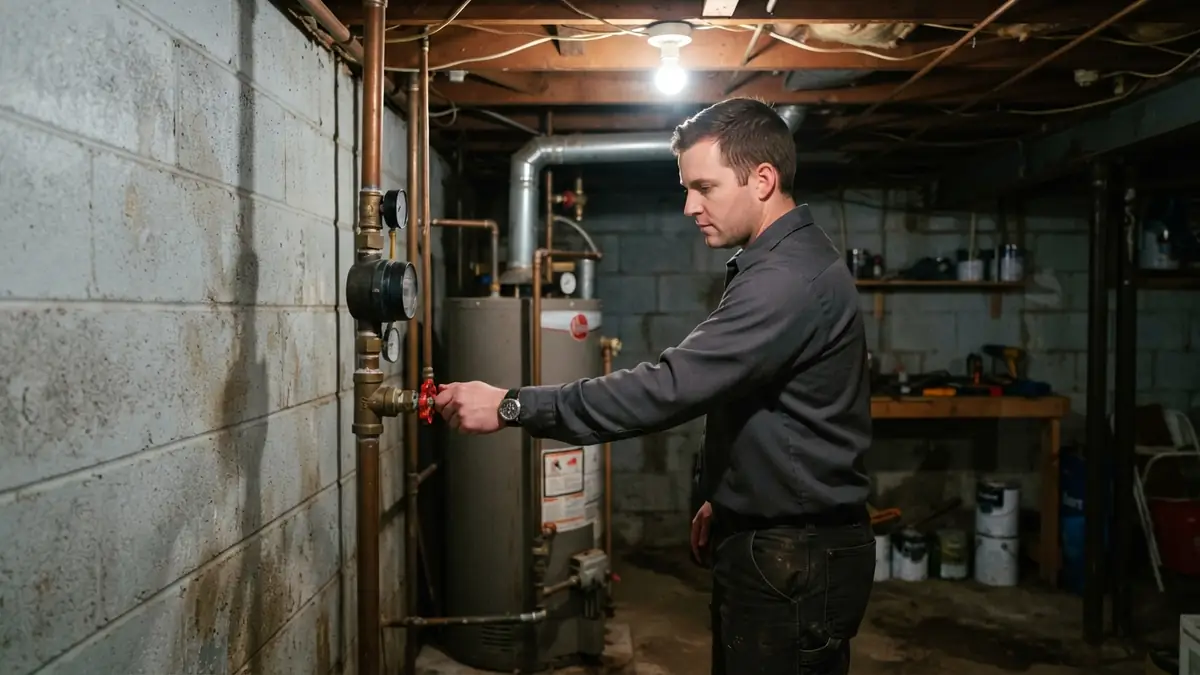
Find out where your meter is
- 4
Ask for the range before the visit
Detection here is an estimated $150 to $400, a little more on a long or deep service line. Whoever gives you a number should be able to say what pushed it up or down.
Cheesequake
Leak Detection in Cheesequake: what is different here
Inside Cheesequake Village, attached homes share walls and can share the plumbing inside them, so a stain on your side may start next door. The association and the neighboring unit are part of the first visit, before anything is opened.
The wooded stretch of the township along Route 34, just south of Cheesequake State Park and near Garden State Parkway Exit 120. It takes in Cheesequake Village, the 55-and-over community of roughly 700 attached homes and condominiums built between 1965 and 1971.
- Estimated range, any lane
- $150‑450
- NJ code cover on a water line
- 42 in.
- OBMUA's own, plus bought water
- 8 wells
Costs
What Leak Detection in Cheesequake costs
In an Old Bridge house, finding the leak falls within an estimated band of $150 to $400. How much is still a mystery on arrival decides the spot within it, and the free checks shrink that mystery before we come.
Leak Detection
$150 - $400
Estimated - same or next workday
- Supply, drains and groundwater tested one at a time
- An estimated range on the call, before the visit
- The source marked, with the reading that found it
- Repair quoted separately, if you want one at all
Emergency Leak Detection
$150 - $400
Estimated plus after-hours - same day where water will not stop
- Main shutoff talked through on the call
- Thawed splits in cold walls checked first
- After-hours charge named before we set out
- Told when a plumber, not a locate, is the fix
Water Line Leak Detection
$150 - $450
Estimated - same or next workday
- Meter position settled first: curb pit or basement
- Pressure test on the line before any listening
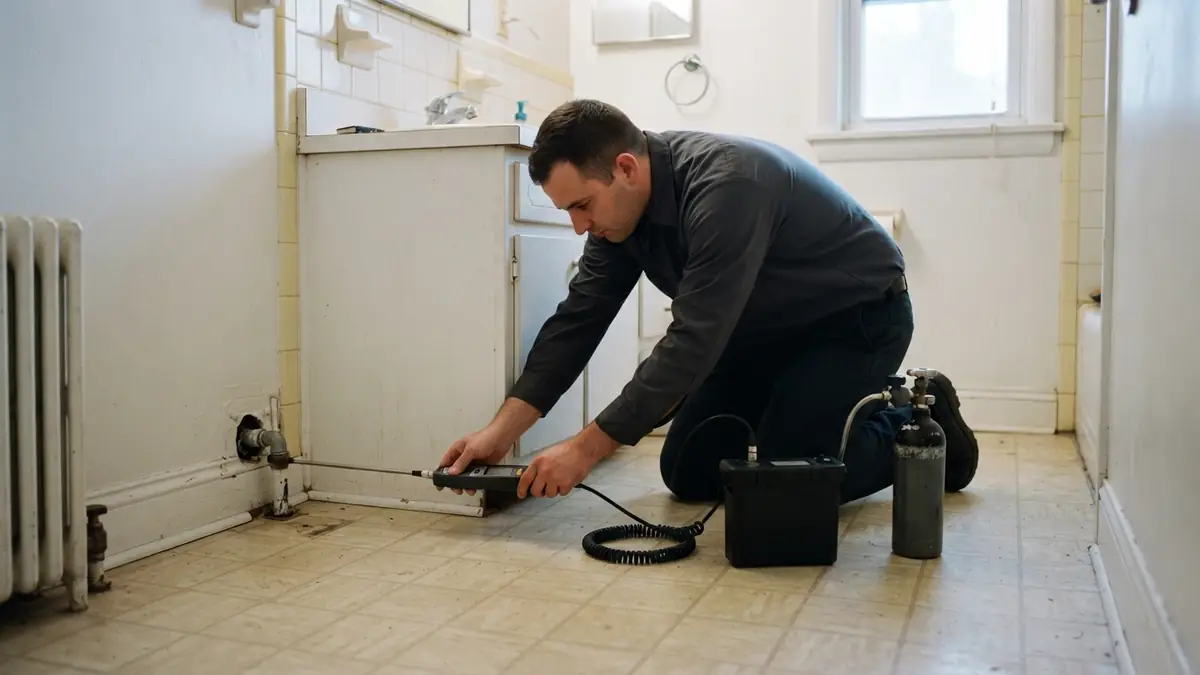
- Ground microphone, then tracer gas where needed
- The spot marked on the lawn for the excavator
Estimated industry ranges, not a quote for your house. That one is a written quote, and it comes before anybody starts.
Before you hire anyone
What Leak Detection in Cheesequake turns on
Each one is about method, because a method can be checked and a promise cannot.
Can I check your license?
New Jersey licenses master plumbers through the State Board of Examiners of Master Plumbers, and the Division of Consumer Affairs lets anyone look a license up online. It takes a minute.
Will you tell me if it is groundwater?
A visit that ends with 'this is not a pipe' is a good outcome, not a wasted one. Ask whether that answer is on the table before you book.
Did they ask whether it rained?
Water that follows the weather is usually not a plumbing leak. A company that asks about rain before quoting a search is ruling out the cheapest answer first.
Did they ask where the meter is?
A curb pit or a basement wall changes what the meter can see. Without that answer, nobody can say whether a still dial clears your service line.
Need Leak Detection in Cheesequake?
Whether the water is your supply, your drains or the ground, and where it gets out: an estimated $150 to $400 to find.
Coverage
Where in Cheesequake we work
Questions
Questions about Leak Detection in Cheesequake
Something not covered here?
Put it to us by phone. Plain answers, an estimated range and nothing to sign.
Call (732) 402-8508What do plumbers use to detect water leaks?
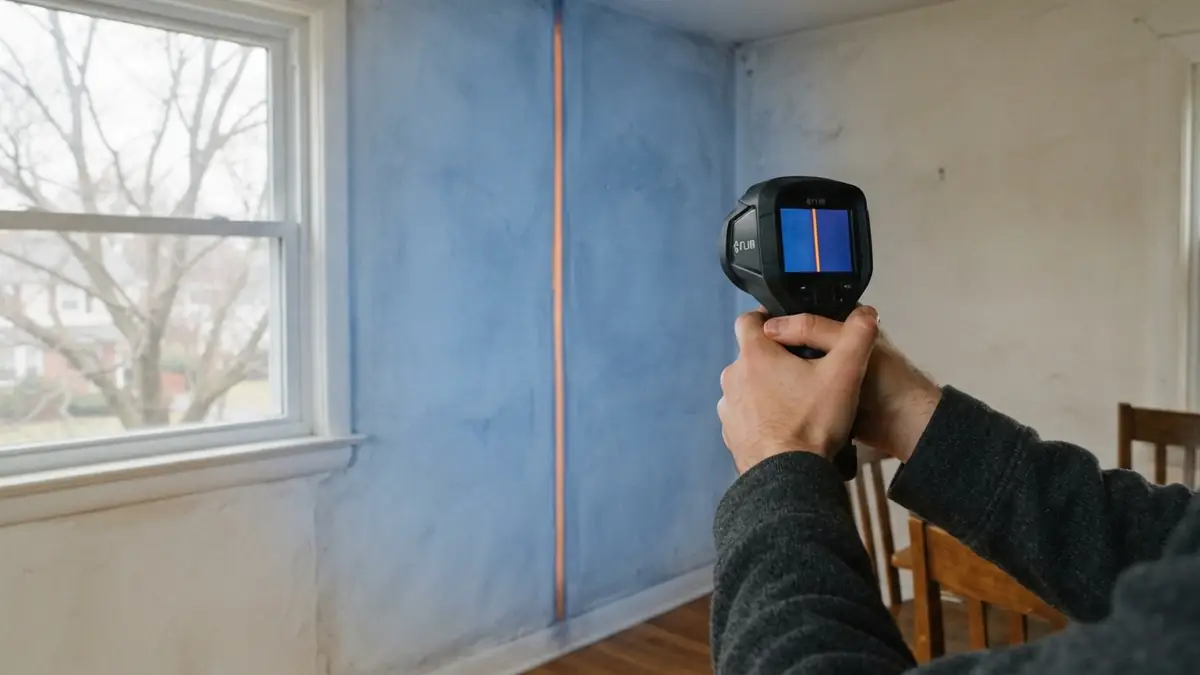
The meter and a pressure gauge first, to prove water is escaping; then acoustic listening, thermal imaging and moisture meters to find where, with tracer gas for buried lines too quiet to hear. Here the first step is testing whether the water is supply at all.
Is leak detection worth it?
When you cannot see the source, yes: it decides how much gets opened. When you can see the drip, skip us and call a plumber.
Why is there water in my basement but no leak?
Because a lot of basement water never came out of a pipe. Rain and groundwater reach the floor through the wall, through cracks, or up through the cove where floor and wall meet, and none of that moves your meter. Old Bridge's housing plan notes wetlands and stream floodplains throughout the township, so it is a real possibility here. The tell is timing: water that arrives after heavy rain and dries out in a dry spell is coming from outside. If it appears in dry weather too, or a pool strip reads total chlorine on the puddle, test the supply before calling a foundation contractor.
What is the most common water leak in a house?
A running toilet, more often than anything hidden in a wall. When the rubber flapper at the bottom of the tank wears, water seeps past it day and night, too gently to hear, and the tank keeps topping itself up; only the bill and the meter notice. To check, tint the tank water with a little food dye, leave the toilet unflushed for twenty minutes, then look for color in the bowl. A new flapper is a hardware-store part, so rule this out before paying anyone, us included.
Do you call a plumber for a leak?
Yes, when you can see where the water is coming from: a dripping trap, a burst you can point at, a weeping valve. That is a repair, and a plumber is the right call. When you cannot see the source — a stain that keeps spreading, a meter that moves with everything closed, a wet basement floor with no obvious cause — locating comes first, so the plumber arrives knowing exactly where to work. In New Jersey, that repair should be done under a master plumber license you can look up on the Division of Consumer Affairs site.
Leak Detection in Cheesequake, from the first call
Leak Detection in Cheesequake: an estimated range on the call, and the written quote before any work starts.
Talk to us
Talk to us about leak detection in Cheesequake
Call now
(732) 402-8508Which water it is and where it gets out, settled before anything is opened or dug.
Before you call
- Unit-to-unit stains traced to the right side
- Static pressure read at an outside faucet
Where we work
Every area we cover