Madison Park
Leak Detection in Madison Park
Leak Detection in Madison Park from an estimated $150. Whether the water is your supply, your drains or the ground, and where it gets out: an estimated $150 to $400 to find.
- Groundwater ruled out before a pipe is blamed
- A free quote, with any repair priced separately
- A master plumber license you can look up online
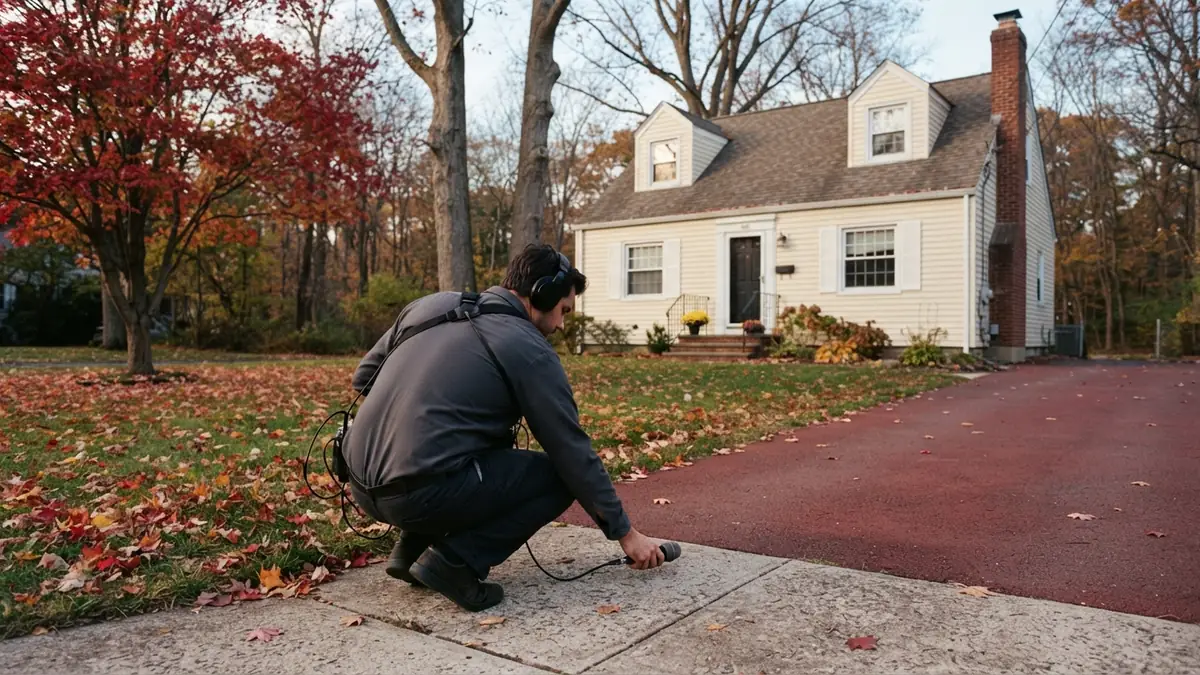
What the first visit settles
- Supply, drain or groundwater
- Meter pit or basement meter
- The source, marked in place
Estimated range$150‑450
Local crew
Madison Park work, taken by the people who do it
Local knowledge
Kendall's 1955-56 streets, one age of pipe
Leaks, scoped before priced
The finding written down, not a summary
NJ licensed master plumber
License number on every written quote
Madison Park
Leak Detection in Madison Park: what actually fails
Madison Park went up in 1955 and 1956, so its original service lines are near seventy years old. Herbert J. Kendall built the whole neighborhood in those two years, and the lines under its university-named streets went in together. Leak detection in Madison Park therefore tests the whole run from the curb to the foundation, not just the few feet by the house, and asks whether an earlier owner ever had it replaced. Around the Princeton Road oval, that one question — original or replaced — shapes the rest of the visit.
Most of the work is elimination. A house here has three sources of unwanted water: the pressurized supply that comes through the OBMUA meter, the drains that carry it away, and the ground outside the foundation. Each is tested on its own, and the search starts once two of them are cleared.
- The full curb-to-wall run tested, not the last few feet
- Asked whether the 1950s line was ever replaced
- Foundation entry inspected where the line comes in
- Creek-side basements asked the groundwater questions
Kendall's 1950s streets. One age of pipe.
What happens
What happens during Leak Detection in Madison Park
Only the last one involves us; the first can be done tonight in ten minutes.
- 1
Watch the meter with the house quiet
Close every faucet, check that the toilets, ice maker and softener are not filling, and watch the low-flow indicator for a minute. Look again an hour later. Any movement means supply water is going somewhere it should not.
- 2
Set the water against the weather
- 3
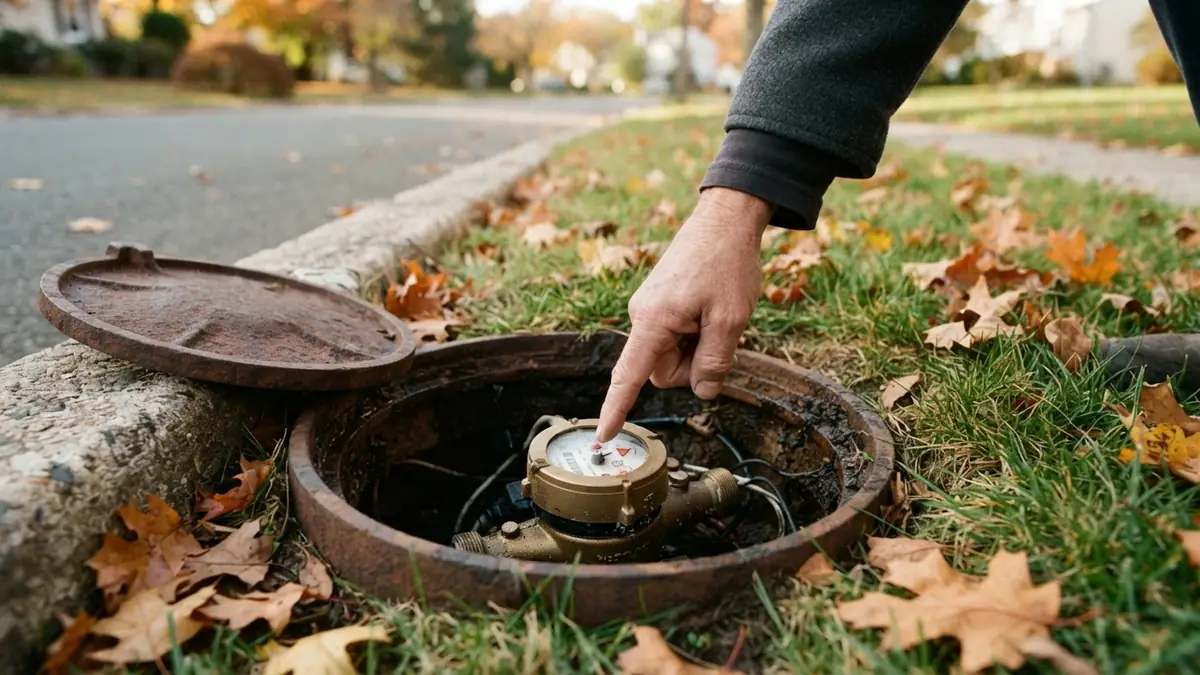
Find out where your meter is
- 4
Ask for the range before the visit
Detection here is an estimated $150 to $400, a little more on a long or deep service line. Whoever gives you a number should be able to say what pushed it up or down.
Madison Park
Leak Detection in Madison Park: what is different here
Madison Park reaches down to Cheesequake Creek along its southeast edge, so the streets on that side sit nearer the water than the rest; there, a wet basement wall gets the groundwater questions before the pipe questions.
A planned neighborhood that Herbert J. Kendall built in 1955 and 1956 on the township's north side, against the Sayreville line. Its streets are named for universities, with Princeton Road looping through the middle as an oval, and it keeps its own fire district, first aid squad and elementary school.
- Estimated range, any lane
- $150‑450
- NJ code cover on a water line
- 42 in.
- OBMUA's own, plus bought water
- 8 wells
Costs
What Leak Detection in Madison Park costs
In an Old Bridge house, finding the leak falls within an estimated band of $150 to $400. How much is still a mystery on arrival decides the spot within it, and the free checks shrink that mystery before we come.
Leak Detection
$150 - $400
Estimated - same or next workday
- Supply, drains and groundwater tested one at a time
- An estimated range on the call, before the visit
- The source marked, with the reading that found it
- Repair quoted separately, if you want one at all
Water Line Leak Detection
$150 - $450
Estimated - same or next workday
- Meter position settled first: curb pit or basement
- Pressure test on the line before any listening
- Ground microphone, then tracer gas where needed
- The spot marked on the lawn for the excavator
Basement Leak Detection
$150 - $400
Estimated - within the week, sooner if it is spreading
- Supply, drain and groundwater separated first
- Meter, rain timing and a chlorine strip compared
- Told plainly when it is groundwater, not a leak
- Finished walls opened only where the source is
Estimated industry ranges, not a quote for your house. That one is a written quote, and it comes before anybody starts.
The route
From first call to finished: Madison Park
Which water it is and where it gets out, settled before anything is opened or dug.
- 1
Watch the meter, note the weather
With every faucet closed and nothing filling, watch the meter's low-flow indicator for a minute, then again an hour later. Note too whether the water you are seeing turned up after rain. Those two facts decide most of the first phone call.
- 2
Tell us where the meter lives
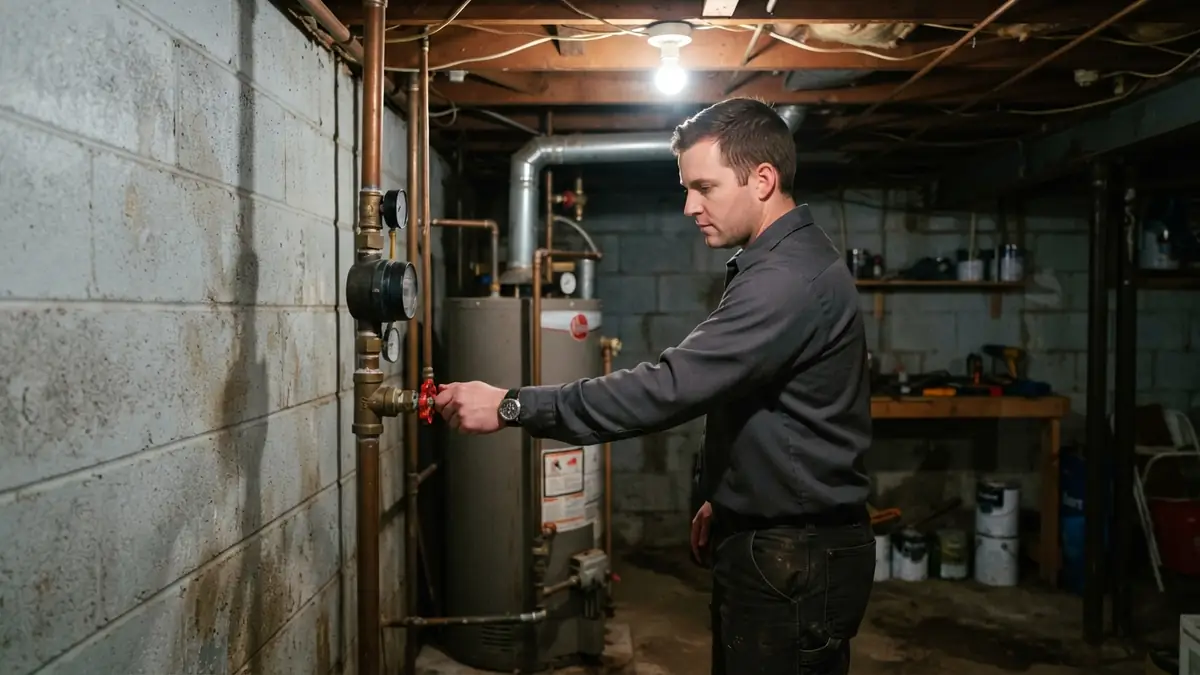
A pit near the curb or the basement wall. It changes which leaks the dial can see at all: a buried line feeding an inside meter can leak for weeks without moving it, and then the yard is the evidence.
- 3
We sort before we search
Supply, drains and groundwater are tested apart — pressure on the lines, water run through the drains, the timing checked against the rain. Equipment comes out once the problem belongs to one system.
- 4
The source, marked and written down
A mark on the wall, floor or lawn, a note of how it was found, and a plain description of the repair it points to. Hire anyone you like for that repair; the mark and the note belong to you.
Need Leak Detection in Madison Park?
Whether the water is your supply, your drains or the ground, and where it gets out: an estimated $150 to $400 to find.
Coverage
Where in Madison Park we work
Same-age houses make the work predictable rather than cheap: the whole original run from the curb is tested, and the estimated figure covers that. A line an earlier owner already replaced shortens the job, so tell us if you know.
Questions
Questions about Leak Detection in Madison Park
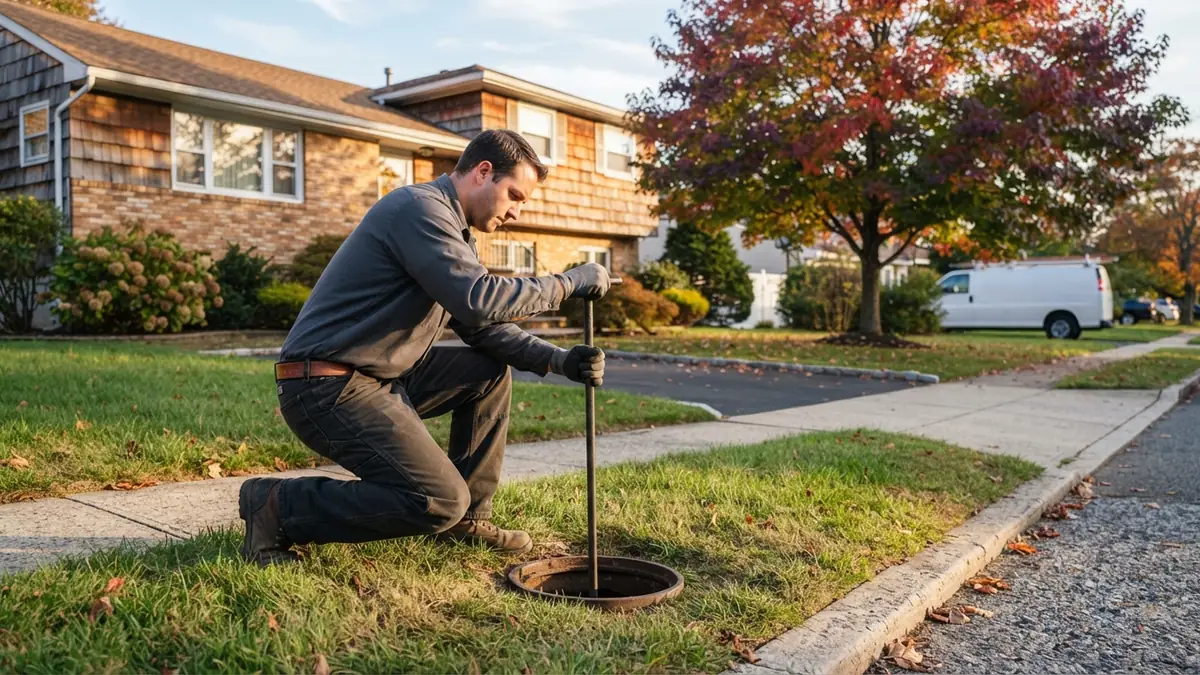
Something not covered here?
Put it to us by phone. Plain answers, an estimated range and nothing to sign.
Call (732) 402-8508What do plumbers use to detect water leaks?
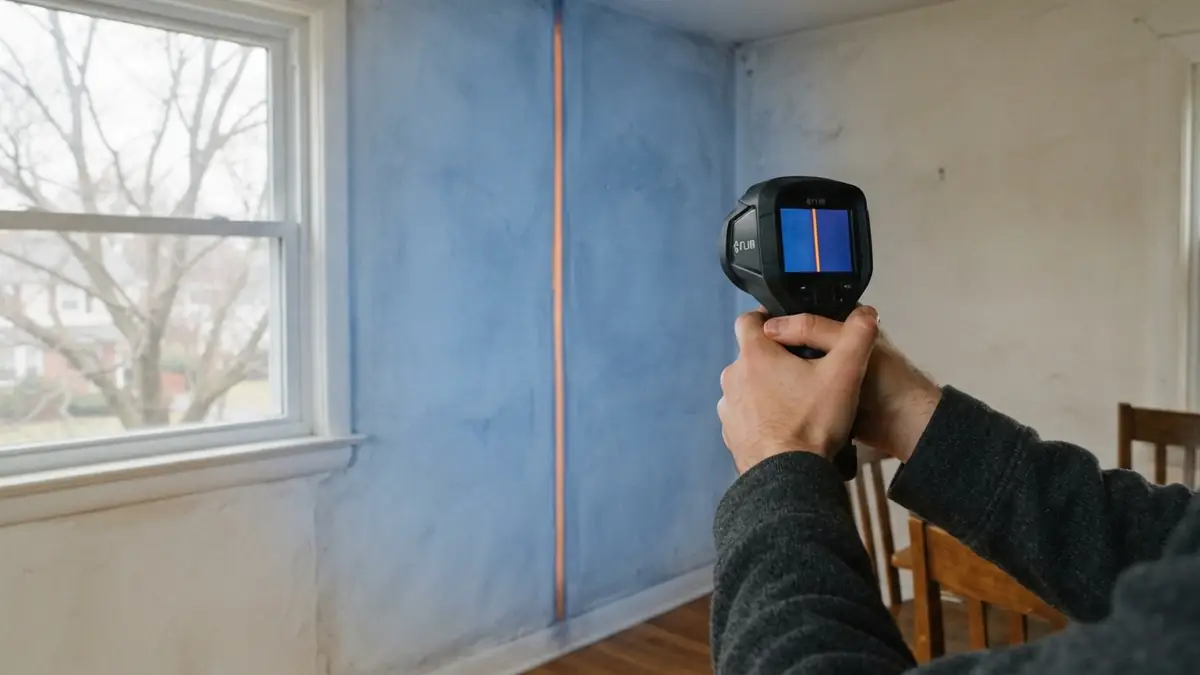
The meter and a pressure gauge first, to prove water is escaping; then acoustic listening, thermal imaging and moisture meters to find where, with tracer gas for buried lines too quiet to hear. Here the first step is testing whether the water is supply at all.
Is leak detection worth it?
When you cannot see the source, yes: it decides how much gets opened. When you can see the drip, skip us and call a plumber.
Can you dispute a high water bill?
Yes. You can question it with OBMUA's billing office, and you will be in a far stronger position with readings of your own. Write down the meter's number twice, a day apart, with the house used normally, and compare that daily use with the bill. Then do the quiet-house test: everything closed, low-flow indicator watched. A still dial and normal daily use point to a billing question for OBMUA. A moving dial means the water really went through the meter, and the useful next step is finding where it went, which is our part.
Who is responsible for a water leak from the meter to the house?
Ask OBMUA for your own address before anyone prices a repair. We have not found OBMUA's rule on which length of the service line belongs to the utility and which to the owner published, and we would rather you hear it from them than from a guess. What we can establish is where the leak is and which side of the meter it sits on. If the line turns out to be an old material, ask OBMUA how its line inventory lists your address too: a 2021 New Jersey law gives water systems ten years to replace lead service lines, the part on private property included.
What is the most common water leak in a house?
A running toilet, more often than anything hidden in a wall. When the rubber flapper at the bottom of the tank wears, water seeps past it day and night, too gently to hear, and the tank keeps topping itself up; only the bill and the meter notice. To check, tint the tank water with a little food dye, leave the toilet unflushed for twenty minutes, then look for color in the bowl. A new flapper is a hardware-store part, so rule this out before paying anyone, us included.
Book Leak Detection in Madison Park
One call gets you a written quote and the earliest arrival window for Madison Park. No forms, no waiting for a callback.
Talk to us
Talk to us about leak detection in Madison Park
Call now
(732) 402-8508Which water it is and where it gets out, settled before anything is opened or dug.
Before you call
- The full curb-to-wall run tested, not the last few feet
- Asked whether the 1950s line was ever replaced
Where we work
Every area we cover